![]() |
Headaches |
|
|
What Are Headaches?
Pretty much everyone suffers from a headache at some point in his or her life, but, for some folks, headaches occur with such frequency and intensity that life is lived with one, or trying to avoid one, or praying that the current one will go away. But, in spite of the fact that headaches all affect the head, there are, in fact, many types of headaches, each with its own cause...and treatment. Types of Headaches
Then there are those headaches that are related more to outward forces upon the head, such as trauma, occupational straining of the muscles or eyes, and exertion headache from moving heavy objects or even sleeping improperly. Other headaches are systemically induced. Allergies can cause headaches, as can sinus pressure, coffee consumption, hunger, hormonal imbalance, nutritional deficiencies, and fever. The use of alcohol, drugs or tobacco can sometimes cause headaches (the infamous "morning after"); and exposure to irritants such as pollution, perfume or even after-shaves and/or lotions can do it, as well.
Anemia, bowel problems, brain disorders, bruxism (tooth-grinding, which also relates to TMJ), hypertension (high blood pressure), hypoglycemia (low blood sugar), sinusitis, spinal misalignment, toxic overdoses of vitamin A, vitamin B deficiency, and various diseases of the eye, ear and throat can also express themselves as headaches. So, what kinds of headaches do you have? Tests show that 90% of all headaches are tension-related; 6% are migraine headaches. Tension-related headaches are caused by muscle tension. Migraine headaches are systemic, and stem from a disturbance in the blood circulation of the brain. The remaining 4% are known as "cluster" headaches. These are quite severe, recurring headaches that affect millions of Americans. These most often are caused by stress, alcohol or smoking. Treatment of HeadachesEach type of headache may differ in intensity, symptom and cause. Let's look at the most common headaches and their symptoms, causes and possible treatments.
Temporomandibular Joint Headache
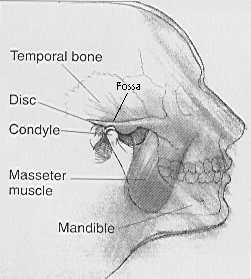
If left untreated, the cartilage that cushions this joint may become displaced or wear out, like the parts of an automobile engine running without oil. This causes the bones of the jaw to rub together during movement of the mouth. The most common cause of TMJ syndrome is stress that leads to poor bite, and the grinding of teeth called bruxism. Other causes can be poor posture, repeated blows to the jaw or chin, whiplash, and even habitual straining of the neck or shoulders and jaw (as people do when holding a telephone earpiece between them). Poor dental work and orthodontics can contribute to this condition. Poor chewing habits, excessive gum chewing, thumb sucking, and even exclusively chewing on one side of the mouth can trigger a TMJ episode. Hypoglycemia can contribute, because hypoglycemics tend to clench and grind their teeth when their blood sugar is low. TMJ is treatable and can be arrested. A good self-test is to place your little fingers in your ears so that hearing is obstructed. Then slowly and steadily open and close your jaw. If at any point you hear a clicking, popping or even grinding noise, your jaw joints may be out of alignment. In this case it is recommended that you have a professional examine you for this condition. An early diagnosis is important. Your physician may use X-rays and a technique called arthrography, in which an opaque dye is injected into the joint and viewed with a fluoroscope. Nutritional Support
Minerals and VitaminsFor nutritional support, persons with TMJ will need to take
These assist as anti-stress agents. Sublingual forms are recommended here for best absorption. Other helpful nutritional supplements include
The vitamins should be taken with the enzymes for best absorption. This combination improves the quality of sleep and relieves anxiety and depression. Vitamin C is very important in this process, take 4,000 to 8,000 mg daily. This helps to combat stress and is necessary for proper adrenal function. Vitamin C is also needed in order to repair and heal connective tissue.
Herbs
Each of these has a calming and anti-stress effect. If you have trouble sleeping, take valerian root before bedtime. It acts to relax you and calms the nerves. These can also be administered as teas for a soothing result that is warm and relaxing. DietTMJ sufferers should eat lightly steamed vegetables, fresh fruits, whole-grain products, white fish, skinless chicken and turkey, brown rice plus homemade soups and soft breads. They should avoid high-stress foods! These include all forms of sugar, all white flour products, all junk foods (candy, colas, potato chips, pies and fast foods). Do not consume any foods that contain caffeine, which is a stimulant and increases tension. Avoid over-the-counter medications that contain decongestants, which can have a similar effect. Avoid alcohol as this contributes to bruxism (tooth grinding), which, in turn, aggravates TMJ. Do not chew gum! Avoid hard-to-chew foods, such as tough meats or hard breads. You can give your jaw a needed rest if you fast at least once a month, for anywhere from a day to a week or less. Fasting also helps to detoxify the body, which reduces stress in another way. AwarenessTo alleviate stress and tension, try to become more
aware of how you place your body in certain circumstances. At work, periodically
check your posture and consciously straighten up if you are slumping or slouching. Avoid leaning
over your desk. Keep your back comfortably straight. Try to align your head so
it is balanced over your shoulders and not leaning out in front of your torso. Sleep on your back
to allow your neck and shoulders to rest and relax the muscles. Avoid propping
your head up in bed to read or watch television. Try to avoid sleeping on your stomach or
side; that puts pressure on your jaw. Avoid practitioners who advocate only one method of treatment for TMJ. A multidisciplinary team obtains the best results. If possible, seek assistance from trained professionals who are licensed or at least associated with a university dental or medical school. TMJ is often treated with a special bite plate that is worn at night to prevent tooth clenching. It helps to alleviate compression of the jaw. Stress management techniques may also be advised, along with breathing techniques; heat, massage and muscle relaxants can also relieve the symptoms of TMJ. Other treatments may involve physical therapy involving tongue and jaw exercises; ultrasound, which promotes tissue healing. Biofeedback readings taken of the masseter muscle have been found to be effective; also, electro-galvanic stimulation has been found to help relax facial muscles. Be aware that TMJ can be misdiagnosed. Avoid anything that has not proven itself as an effective treatment. Try the above simple, inexpensive methods before you invest in more expensive methods or therapists. Be aware also that there may are other disorders of the jaw that might mask themselves as TMJ, such as rheumatoid arthritis, in which the symptoms are more severe in the morning and ease progressively during the day, unlike TMJ. In her book, You Can Heal Your Life, Louise L. Hay suggests that the way we think about ourselves can set up patterns that can lead to illnesses and diseases. She suggests as a probable cause for jaw problems, anger, resentment and/or desire for revenge. She also says that a person with this condition may want to develop a new thought pattern:
Affirming this new pattern can assist in alleviating the condition. Tension Headache
The causes of this kind of headache are emotional stress, anxiety, worry, depression, anger, food allergies and poor posture. Of all these, emotional stress is the most prevalent. If you are experiencing a tension headache, you may find relief by applying an ice pack on your neck, shoulders and upper back for pain relief. Many people prefer to alternate between ice packs and hot packs. Food supplements that can help your body deal with stress include
Ayurveda is a mind/body therapy which comes to us from India and is over 5,000 years old. The term is from Sanskrit and "ayus" means life, and "veda" means knowledge. It emphasizes the interdependence of the health of a person and its profound affect upon societal life. Along with this form of medical treatment is a therapy known as Sheradara which is the pouring of heated oils over and upon the head. This is performed for relaxation and pain relief. Electroencephalogram (EEG) studies show that this calms the brain and body and that it is used to relieve stress and related disorders such as headaches. (note: Electroencephalogram (EEG) is a recording of the electrical potentials on the skull generated by currents emanating spontaneously from nerve calls in the brain.)
If you have additional magnets, place them over each temple. Chromo-magnets are very useful for regulating activity in a given area of the body. Chromo-magnets are therapeutic magnets that are designed for daily use. They each carry strength of 1,100 Gauss. Use both temporal and forehead and base of skull positions for the all-over calming affect. Duration of each application is about 15 minutes to 30 minutes or, in the case of tension headaches, until you experience some relief. A lack in certain tissue salts may be contributing to this form of headache. In this case consult a naturopathic doctor and have them test you for which cell or tissue salt s you need more of. With this headache it most likely is a need to alternate more Potassium Chloride and Magnesium Phosphate in your diet. If you suspect food allergies have these tested by a nutritionist's MD. For poor posture use the methods mentioned in the section on TMJ to become aware of your body position and find ways to correct it. Bilious HeadacheThis type of headache is felt as a dull pain in the forehead and a throbbing in the temples. This is caused by overeating, followed by indigestion and lack of exercise. The best way to handle this condition is by a colon cleansing. Make sure you increase the amount of fiber you ingest. Take acidophilus, tablets or in the form of acidophilus milk, to restore the normal intestinal flora. If you are allergic to dairy products, use a non-dairy formula. Take this on an empty stomach.
During certain activities your body can become imbalanced in your cell or tissue salts. You may want to consult a naturopathic doctor or have them test you for which ones you are lacking in. Very often with bilious headaches the biochemical treatment may help with the accompanied nausea and bitter taste in your mouth are worsen in damp weather or very warm weather. This may be remedied by including more of the tissue salt Sodium Sulphate in your diet.
Caffeine Headache
Caffeine headaches occur in most people because their regular intake of caffeine has been compromised. For example, if you have had two cups of coffee every day for the past thirty years, then go on a juice diet in which coffee is not allowed, you will probably have one. Caffeine headaches typically last for three days, and are not responsive to the usual headache medications such as aspirin, Tylenol or Advil.
There is not much you can do to get rid of a caffeine headache, once it starts, until it runs its course--except, of course, by taking caffeine. It is a withdrawal symptom, after all! To avoid these headaches in the future, consider weaning yourself from this drug so that you are no longer dependent on it. Experts recommend reducing the amount you take by a little each day, over the course of several weeks, until you need none at all. Be aware that caffeine has been added to many of the things we drink, and even some of the food. Chocolate, for example, is high in caffeine, as are most soft drinks. Cola drinks have it (except for the caffeine-free variety), and Mountain Dew has more caffeine than almost all colas. Seven-Up, Sprite, and root beer have none. Develop the habit of reading the labels to be sure. Cluster HeadacheThe manifestation of this headache is severe throbbing pain on one side of the head, flushing of the face, tearing of the eyes, nasal congestion. Cluster headaches occur one to three times a day, over a period of weeks or months. Each can last from a few minutes to several hours. The most frequent causes of this headache are stress- related. Other things that can trigger a cluster headache are alcohol and smoking. Tobacco has a unique effect upon the nervous system and the blood vessels of the head. Nicotine acts as a stimulant on the central nervous system. It also affects the overall metabolic rate, the regulation of body temperature, the degree of tension in the muscles and the level of certain hormones. Supplements that assist in treating cluster headaches include
Exertion Headache
Suplements for this type of headache include all the previously mentioned supplements, as well as
Eyestrain Headache
Hangover Headache
The more general cause, then, is dehydration (alcohol and caffeine are diuretics) and dilation of the blood vessels in the brain (caused directly by alcohol, but can also be caused by injury to the head, which can occur with that loud noise, or some of the more violent modern dance forms). To avoid this type of headache, drink alcohol moderately and if this headache occurs drink even less next time. Avoid places that are poorly ventilated, and wear ear protection if the noise level is high enough to hurt. After drinking, even moderately, be sure and drink one full (8 oz.) glass of water for each can of beer or equivalent, or 2 oz. of distilled spirits. If you wind up with a hangover headache, anyway, you can relieve the symptoms by drinking lots of quality water and fruit juices, and take in some easy-to-digest protein, such as eggs. Apply an ice pack to your head. Extra doses of Vitamin B & C Complexes will restore your body's nutritional balance. Hunger Headache
To avoid hunger headaches, to eat regular meals with adequate amounts of complex carbohydrates and proteins. It isn't necessary to eat three meals a day; six small meals are generally considered better, in fact. The important thing is to take in about the same number of calories at each meal as you have been taking in at that meal; and to not skip a meal you usually eat. Even though one of the aspects of this type of headache is low blood sugar, eating something sugary is usually not very effective in alleviating this kind of headache. In fact, it can make it worse! Your best bet is to eat some quality, well-balanced food, with complex carbohydrates, lean protein and little fat. Arthritis HeadacheThis headache occurs at the back of the head or neck. It is made worse by movement. It is directly caused by inflammation of the various joints of the shoulders and/or neck muscles. Arthritis, itself, is an inflammation of one or more joints in the upper body. The stiff and sore muscles cause the muscles to contract; that, in turn, can cause a headache. Alfalfa contains all the minerals essential for bone formation. In its raw state, or in the form of alfalfa sprouts, it has been used to help relieve several symptoms of arthritis. It can also be taken in capsules.
Hot tubs and baths along with regular massage can also assist with pain relief and return some mobility. These in turn will handle what causes the headache of this kind. Classic Migraine HeadacheA migraine headache is a vascular headache. It involves the excessive dilation or contraction of the brain's blood vessels. The word migraine is derived from the Greek hemikrania, which means, "half a skull" or "crown". Nausea, vomiting, blurred vision and tingling and numbness in the limbs usually accompany a migraine headache. One can last up to eighteen hours. A classic migraine is preceded by a set of symptoms referred to as an aura. An aura consists of speech disorders, weakness, and disturbances in the senses of vision and/or smell. Visual effects can include brilliant stars, sparks, flashes or simple geometric forms passing across the visual field. If you are a susceptible individual, any number of things can trigger a migraine; including low blood sugar, which is the most frequently -reported cause. The lower the blood sugar level during an attack, the more severe the headache can be. Foods that either effect the blood sugar level or can effect blood flow are chocolate, citrus fruits, anything containing alcohol (especially red wine), any foods that are aged, cured, pickled, soured, yeasted or fermented, and allergies. Smoking, because the carbon monoxide in the substance expands the blood vessels and the nicotine contracts them, often triggers migraines--especially in individuals who do not smoke, but are exposed to the second-hand smoke of others. Constipation (which is usually caused by dehydration, another cause), stress, liver malfunction, too much or too little sleep, emotional changes, hormonal changes, sun glare, flashing lights, dental problems, lack of exercise and changes in barometric pressure have also been reported to trigger these headaches.
Who is affected by this disorder? About 10% of the population of earth is plagued by migraines of some kind. In the United States, statistics show us, on a limited study, that 8.7% of females are afflicted by migraines while 2.6% of males are affected. The higher occurrence of migraines in females is probably due to hormone fluctuations. They occur more often between the ages of 20 and 35 in adults; frequency decreases with age. In children, migraines may be misdiagnosed as colic, periodic abdominal pains, vomiting, dizziness or severe motion sickness. According to the United States Centers for Disease Control and Prevention, there was an increase of 60% in migraine headaches on all age groups during the 1980's through the 1990's. A number of food supplements have been shown to minimize the conditions that trigger migraine headaches. Since most of the triggers of migraines also are triggers (or causes) of other kinds of headaches, begin by taking the supplements listed in the previous sections. The following increased doses are suggested:
Garlic is helpful and is a potent detoxifier. Garlique brand Garlic tablets or other, comparable brands on the market contain at least a clove of garlic (allium sativum) or 400 mg., equivalent to taking 1,200 mg of fresh garlic. Taken once a day, it also regulates cholesterol. It is helpful in regulating blood pressure levels as well. If you are taking a good Vitamin B Complex in 100 mg doses daily, ensure that your Vitamin B complex has at least 100 mg of pantothenic acid (Vitamin B5) in it. Take an additional 100 mg of this daily. It is needed by the adrenal glands when the body is under stress. Another form of Vitamin B5 is royal jelly. You can substitute 1 teaspoon full once or twice a day. Increase your intake of pyridoxine, Vitamin B6 by 50 mg. It is required for normal brain function. Use a hypoallergenic form. One recommendation is to add Taurine Plus from American Biologics, 10 to 20 drops a day, taken under the tongue. It is an important antioxidant and immune regulator. It is needed for white blood cell activation and neurological function. Beside those herbs used to treat headaches, some others can also be effective in the treatment of migraines:
A study conducted by The University of Nottingham in England on its effects upon migraine suffers, has shown that participants who took the herb, feverfew, had an average of 24 percent fewer migraine headaches than those who did not take it. Other findings were the reduction of vomiting and other side effects. Make sure your diet is low in simple carbohydrates and high in protein. Include the following foods in your diet:
Avoid foods that contain the amino acid tryamine. These include aged meats, avocadoes, bananas, beer, cabbage, canned fish such as sardines and tuna, dairy products, eggplant, hard cheeses, potatoes, raspberries, red plums, tomatoes, wine, and yeast products. Also avoid alcoholic beverages, aspirin, chocolate, monosodium glutamate (MSG), nitrate preservatives such are found in hot dogs and lunchmeats. Avoid spicy foods, and salt and acid-forming foods such as meat, cereal, bread and grains, fried foods and fatty greasy foods. Eat small meals, and if you have snacks, make them small as well. This will assist in stabilizing any wide swings in blood sugar that may precipitate a migraine. Make sure to get regular, moderate, exercise. Massage the back of your neck and head daily or have a professional massage those areas for you. Handle any problems with your teeth that could trigger a migraine. There is a treatment for those that have had migraines brought on by coffee or caffeine. At the first suspicion that a migraine is about to start, drink one or two cups of strong black coffee, and then lie down in a dark, quiet room. In order for this treatment to be effective, you must not consume any other form of caffeine. This would include cocoa, chocolate, decaffeinated products of any kind (as they have some small amount of caffeine in them), soft drinks with caffeine and any over-the counter or prescription medications that contain caffeine.
When you know you are susceptible to migraine headaches, smoking is not an option. Avoid smoking at all costs, especially second-hand smoke, which is twice as potent for a non-smoker than it is for those people who do smoke. It could make you very ill. The nicotine from tobacco can trigger a flush reaction that can bring on a migraine. It can also impair your lungs from taking in enough oxygen to feed the brain.
Studies of magnetic therapy have shown that the north pole of a 4-by-6 ceramic magnet, applied to the area in pain, has brought relief to a significant number of migraine sufferers. Sleeping with these magnets applied directly to the head, or larger magnets placed suspended over the head, can affect a more lasting result. Apitherapy is also known as bee therapy. This involves the use of honeybee products such as raw honey, bee pollen, propolis, royal jelly and bee venom. Preparations from pieces of honeycomb containing bee pollen are reported to be successful for treating allergies which can bring on headaches and migraines. Bee venom is being used today to treat chronic inflammatory illness and to alleviate chronic pain and migraine headaches. After being tested with very small amounts of bee venom you might proceed with this therapy. This involves testing to see if you might have possible allergic reactions to bee venom. If you test positive for an allergic reaction you would not continue further in some cases. The rule is you never use bee venom without an emergency bee sting kit which contains epinephrine to handle any reaction. The usual treatment involves stinging the patient at specific sites relative to the illness and repeating the stings over a period of time. The components of bee venom that assist in the treatment of headaches and migraines are: Mellitin: This can show to be 100% more potent then hydrocortisol as an anti-inflammatory agent. Mast Cell Degranulating Peptide: This can help to increase short term memory. Apamin: Enhances long term synaptic transmission and shortens duration of nerve action potential. Hyaluronidase: Acts to rid the cells of toxins, allowing healing substances to reach the cells. Dopamine: A neurotransmitter that increases motor activity. Adolapin: Works as an analgesic. Studies have shown that biofeedback is good for lessoning the severity and the frequency of migraine headaches. It is usual for a person at the onset of a migraine headache, to have his or her hands cool down to as low as 65 Degrees Fahrenheit. One way to avert this is by raising the temperature of a person's hands. If you are trained in biofeedback techniques, you utilize breathing techniques that raise your body temperature to prevent this. Taking hot showers or baths is another good way to approach this. Some kinds of music have a calming effect and can help to relieve migraines. These can include soft melodic music as well as the sounds of nature. They assist us to relax and unwind from any over stressful relationships of the day. If migraines are caused by imbalance in your cell or tissue salts you may want to consult a naturopathic doctor or have them test you for which ones you are lacking in. Very often the biochemical treatment for migraines that are accompanied by nausea and bitter taste in your mouth. Migraines, in this case, may worsen in damp weather or very warm weather. This may be remedied by including more of the tissue salt Sodium Sulphate in your diet. Women who are affected by migraine headaches, may benefit from the use of natural progesterone cream. The drug most commonly prescribed for the relief of migraine headaches is called ergotamine. It is sold under the brand names of Cafergot, Ergostat and Wigraine. These can be addictive and should not be taken for more then two days in any one week. Cafergot and Wigraine also contain caffeine. A relatively new drug, sumatriptan (Imitrex), relieves acute migraine headaches by increasing the amount of serotonin in the brain. Clinical studies have shown that 82 percent of people who have migraine headaches who took sumatriptan, improved within two hours of treatment. A majority taking this treatment, 65%, were pain-free. This drug is administered in injection form and is sold in home injection kits. There are side effects that include dizziness, drowsiness, malaise and anxiety.
Other drugs that are administered as preventatives rather than as therapy for acute attacks of a migraine headache include amitriptyline (Elavil, Endep), diazepam (Valium), methysergide (Sansert) and propranolol (Inderal). Common Migraine HeadacheThis form of a headache is accompanied by severe throbbing pain and often affects one side of the head, usually centered at the temple or behind one ear. This form of a migraine headache can be accompanied by nausea, vomiting, cold hands, dizziness, sensitivity to light and sounds, blurred vision, and tingling and numbness in the limbs; and can last up to eighteen hours. It usually comes on slowly and lasts from two to seventy-two hours. Like the classic migraine headache, it, too, is caused by the excessive dilation or contraction of the blood vessels of the brain. Treatments for common migraine headaches are the same as covered in the previous section. Fever HeadacheA fever headache usually develops from or with a fever. Fevers usually are a sign of infection somewhere in the body. The best remedy for this type of headache is to handle the infection by reducing the fever. Take the appropriate natural antibiotic such as garlic or thyme. The herb, feverfew, is good to take for fever as its name claims. Apply ice packs and wait for the fever to break. Do not massage head during fever. After the fever is reduced, if the headache is still present, and the infection is under control, a gentle massage of the head would be appropriate. One of the reasons to not take a massage during a fever or infection, is that massage increases blood flow and may act to intensify the symptoms of the infection. Hypertension Headache
To handle the headache part of this, you need to get your high blood pressure into normal range. Rest and relaxation are most immediately recommended. Soothing music and stress-relief techniques are hackneyed, but useful, tools, as well. Decrease your weight if you are overweight by eating a high protein, low fat diet. Hops and valerian root are good for calming the nerves. Supplement your diet with those vitamins and minerals that help to oxygenate the blood and lower pressure. Remember vitamin E in high doses, and garlic. Eliminate all salt, NutraSweet, and any other aspartame products, and monosodium glutamate (MSG) from your diet. Add fiber. Eat plenty of fresh fruits and vegetables. Menstrual HeadacheThis is a migraine-intensity pain that occurs to women shortly prior to, during and after menstruation, or at midcycle (the time of ovulation. It is caused by the variation in the body's estrogen levels. Various pressures of water retention and bloating in the body can cause the onset of a menstrual headache. The best relief from this type of headache is to supplement your diet with:
Sinus HeadacheThis kind of headache is experienced as a gnawing, nagging pain over the nasal and sinus areas. It often increases in severity as the day progresses. Fever and discolored mucus may be present. These headaches are caused by allergies, infections, nasal polyps and food allergies. A sinus headache is often caused by blocked sinus ducts or acute sinus infection. Treatment depends upon what is causing the infection. The best approach is to boost your own immune system to stave off infections or reactions to irritants. I suggest you take quercetin, a natural bioflavonoid, that protects your system against allergens and increase the immune systems effectiveness. Bromelain, a plant enzyme derived from the pineapple stem, enhances the effectiveness of quercetin. Take these as directed in the labels they come wrapped in. Increase your vitamin A intake to 10,000 IU daily. This will enhance the immune system and protect against colds, flu, and other infections. It also helps maintain the health of the mucous membranes. Vitamin C complex in doses of 3,000 to 10,000 mg daily, in divided doses, will also boosts the immune function and assist in preventing infection. It, too, deceases the presence of mucous. If you find that a tissue salt will are imbalanced you first should consult a naturopathic doctor and see which tissue salts you will need more of. You may find that Phosphate of Iron may assist you. Use moist heat to help sinuses to drain. Temporal HeadacheThis is felt as a jabbing, burning, boring pain. It mostly occurs in the temple, or around the ear when you are chewing. Symptoms include weight loss and problems with eyesight. Temporal headaches usually occur in people over 55 years of age. They are caused by an inflammation of the temporal artery. If you believe you suffer from temporal headaches, first consult your physician to see if steroid therapy is needed. Vitamin C complex is essential in healing inflammation, 3,000 to 6,000 mg. daily, in individual doses, will reduce swelling and the inflamed area. Zinc, 50 mg. daily, reduces inflammation and helps tissues to heal. Very important in reducing inflammation is to take one 125-mcg tablet of superoxide dismutase (SOD), an enzyme that acts as a powerful antioxidant; it assists in reducing inflammation. Another way to treat your temporal headache is to consult with a naturopathic doctor and find which cell or tissue salt you are lacking in. Have them test for any imbalance and administer the biochemical treatment of Phosphate of Iron. Tic douloureax HeadacheThis is experienced as short jabbing pains around the mouth, jaw and forehead. It is more common in women over 55 years of age. It is caused by a degeneration of the trigeminal nerve in the jaw. This condition is evidenced by a pressure upon the trigeminal nerve. It not currently known what triggers these headaches. One theory is that toxins accumulate in the nerves of the area, causing a pressure build up. Treatment may include injections of the nerve with alcohol. Anticonvulsants may be helpful to shorten attacks or cause remission. Surgery may be needed to lesson the severity of the attacks. Nutritional supplements can be taken which will bring some relief. Essential fatty acids found in flaxseed oil and Ultimate Oil from Nature's Secret are good sources. Taken as directed, these can help to rebuild and repair damaged nerves. Lecithin granules, 2 tablespoons twice a day or capsules 2,400 mg twice a day with meals, is important for protecting the nerves and repairing them. If you suspect toxicity see a good toxicologist to determine which substances are possibly affecting you. Then work out a good nutritional plan with supplements for detoxifying your system. Magnet therapy can be applied directly to the area affected, to soothe the nerves involved. The south pole supports biological healing, decreases pain, and fights infection and the effects of toxins. Use a 4 by 6 by ½ " ceramic magnet, applied 20 to 30 minutes each day. According to Louise L Hay in her book, You Can Heal your Life, neuralgia is present because of a need for punishment for guilt, and anguish over communication. New thought patterns to cultivate are "I forgive myself. I love and approve of myself. I communicate with love."
|
Site Design by
CilwaStudios.com