|
By: Michael Manion |
|
|
Page Views: 5,971 |
| Hashtags: #BrainCancer #Cancer #Health |
| All about brain cancer. |
| Estimated reading time: 5 minute(s) (989 words) |
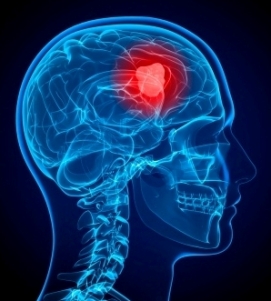
Adult brain tumor is a disease in which malignant
cancer cells grow in the tissues of the brain. Once again, this may be due to
toxins introduced to that portion of the body. The head is the most likely place
to receive radioactive poisoning either from the sun or artificial sources, such
a radio waves (including those emitted by cell phones). With the decrease in
people wearing hats or covering their heads in our society, these factors need
to be considered. The fact is that the environment has become more radioactive
in general. Sun bathing has become more fashionable than ever; and we add to the
Sun's rays radiation from artificial sun lamps and tanning spas. Hair protects
some portions of the head. Children, those with shorter hair, and bald people
are at the highest risk. In addition to visible and near-visible frequencies, we
now have electromagnetic interference produced right here on earth (the
aforementioned cell phones, for example).
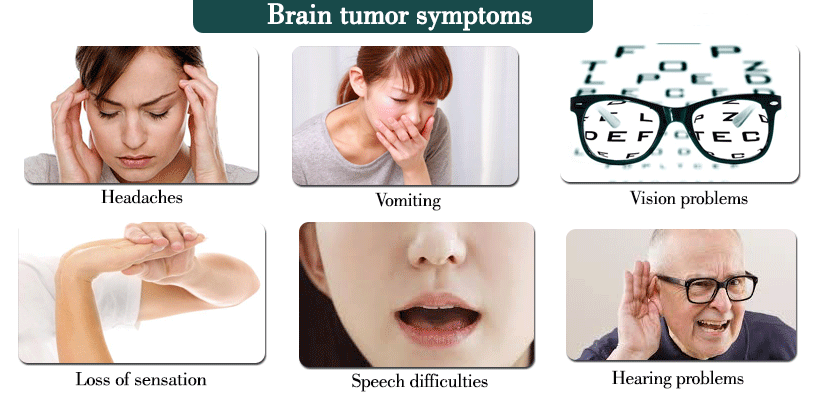
Symptoms of brain tumors may include frequent headaches, vomiting, or
difficulty walking or speaking.
The brain controls memory and learning, senses (hearing, sight, smell, taste,
and touch), and emotion. It also controls other parts of the body, including
muscles, organs, and blood vessels. Thus it is imperative to ascertain which of
these areas may be affected. It is also important to ascertain which type of
brain tumor has manifested.
In order to plan treatment, one needs
to know the type and grade of brain tumor. The following types are used to group
adult brain tumors.
Astrocytomas
Tumors that start in brain cells called astrocytes. There are
different kinds of astrocytomas, each of which is defined by how the cancer
cells look under a microscope.
Non-infiltrating astrocytoma
Tumors that grow slowly and usually do not grow into the tissues around them.
Well-differentiated mildly and moderately anaplastic astrocytoma
These are slow growing cells, but grow
more quickly than noninfiltrating astrocytomas. They start to grow into other
tissues around them.
Anaplastic astrocytoma
These cells look very different from normal cells and grow more rapidly.
Glioblastoma multiforme
These tumors grow very quickly and
have cells that look very different from normal cells. Glioblastoma multiforme
is also called grade IV astrocytoma.
Brain Stem Gliomas
Tumors located in the bottom part of the brain that connects to the spinal
cord (the brain stem).
Cerebellar Astrocytoma
Occurs in the area of the brain called the cerebellum, which is just above
the back of the neck. Cerebellar astrocytomas usually grow slowly and do not
usually spread from where they began, to other parts of the brain or body.
Ependymal Tumors
These are tumors that begin in the ependyma, the cells that line the
passageways in the brain where special fluid that protects the brain and spinal
cord (called cerebrospinal fluid) is made and stored. There are different kinds
of ependymal tumors, each of which is defined by how the cells look under a
microscope.
Well-differentiated ependymoma
These tumors have cells that look very much like normal cells and grow quite slowly.
Anaplastic ependymoma
These are ependymal tumors that do not
look like normal cells and grow more quickly than well-differentiated ependymal
tumors.
Ependymoblastoma
These are rare cancers that usually occur in children. They may grow very quickly.
Oligodendroglial Tumors
The tumors originate in the brain cells called oligodendrocytes, which
provide support and nourishment for the cells that transmit nerve impulses.
There are different types of oligodendroglial tumors, each of which is defined
by how the cells look under a microscope.
Well-differentiated oligodendroglioma
These are slow-growing tumors that look very much like normal cells.
Anaplastic oligodendroglioma
These tumors grow more quickly, and the cancer cells look very different from normal cells.
Mixed gliomas
These brain tumors occur in more than
one type of brain cell, including cells of astrocytes, ependymal cells, and/or
oligodendrocytes.
Medulloblastoma
These brain tumors begin in the lower
part of the brain. They are almost always found in children or young adults.
This type of cancer may spread from the brain to the spine.
Pineal parenchymal tumors
Pineal region tumors are tumors found
in or around a tiny organ located near the center of the brain, the pineal gland
The tumors can be slow growing (pineocytomas) or fast growing (pineoblastomas).
Astrocytomas may also start here.
Germ cell tumors
Arise from the sex cells. There are
different kinds of germ cell tumors, including germinomas, embryonal carcinomas,
choriocarcinomas, and teratomas.
Craniopharyngioma
These are tumors that occur near the
pituitary gland, a small organ about the size of a pea that is located just
above the back of the nose and controls many of the body's functions. Such a
tumor disrupts those functions, thus providing the first symptoms.
Meningioma
These tumors occur in the membranes
that cover and protect the brain and spinal cord (the meninges). Meningiomas
usually grow slowly.
Malignant meningioma
This is a rare tumor that grows more quickly than other meningiomas.
Choroid Plexus Tumors
These tumors are composed of tissue
located in the spaces inside the brain called ventricles. The choroid plexus
makes the fluid that fills the ventricles and surrounds the brain and spinal
cord. Tumors of the choroid plexus can grow slowly (choroid plexus papilloma) or
grow more rapidly (anaplastic choroid plexus papilloma). The rapidly growing
tumors are more likely to spread to other places in the brain and to the spinal
cord.
Some of the symptoms of a brain tumor are:
- A pressure in the head causing
headaches, which are often generalized, persistent, and worsen with activity
such as straining and are often worse at night or in the early morning.
- Vomiting, which may or may not be
associated with nausea; this is more common in children than adults.
- Seizures, especially in an adult
without any history of seizures.
- A change in mental ability or
personality, which may be more obvious to the patient's associates then they
are to the patient him or herself.
- Lethargy.