|
By: Michael Manion |
|
|
Page Views: 6,908 |
| Hashtags: #TemporomandibularJointHeadaches #Headaches #Health |
| All about Temporomandibular Joint Headaches. |
| Estimated reading time: 6 minute(s) (1410 words) |
When your face hurts...
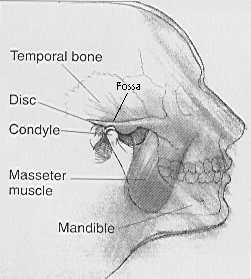 This
is a condition in which the temporomandibular joint of the jaw does not function
properly. This is the joint that connects the temporal bone (the bone that forms
the sides of the skull) with the mandible (the jaw bone). This situation
produces pain, sometimes excruciating pain, in the muscles and joints of the
jaw. This pain can at times radiate to the face, neck and shoulders. Headaches,
toothaches, dizziness, feelings of pressure and pain behind the eyes, ringing of
the ears possibly even difficulty opening or closing the jaw are other symptoms.
A person with this condition may find that he or she has difficulty opening his
or her mouth all the way. This could be accompanied by clicking, popping and
grinding noises that occur during movement of the jaw or when chewing.
This
is a condition in which the temporomandibular joint of the jaw does not function
properly. This is the joint that connects the temporal bone (the bone that forms
the sides of the skull) with the mandible (the jaw bone). This situation
produces pain, sometimes excruciating pain, in the muscles and joints of the
jaw. This pain can at times radiate to the face, neck and shoulders. Headaches,
toothaches, dizziness, feelings of pressure and pain behind the eyes, ringing of
the ears possibly even difficulty opening or closing the jaw are other symptoms.
A person with this condition may find that he or she has difficulty opening his
or her mouth all the way. This could be accompanied by clicking, popping and
grinding noises that occur during movement of the jaw or when chewing.
If left untreated, the cartilage that cushions this joint may become
displaced or wear out, like the parts of an automobile engine running without
oil. This causes the bones of the jaw to rub together during movement of the
mouth.
The most common cause of TMJ syndrome is stress that leads to poor bite, and
the grinding of teeth called bruxism. Other causes can be poor posture, repeated
blows to the jaw or chin, whiplash, and even habitual straining of the neck or
shoulders and jaw (as people do when holding a telephone earpiece between them).
Poor dental work and orthodontics can contribute to this condition. Poor
chewing habits, excessive gum chewing, thumb sucking, and even exclusively
chewing on one side of the mouth can trigger a TMJ episode. Hypoglycemia can
contribute, because hypoglycemics tend to clench and grind their teeth when
their blood sugar is low.
TMJ is treatable and can be arrested. A good self-test is to place your
little fingers in your ears so that hearing is obstructed. Then slowly and
steadily open and close your jaw. If at any point you hear a clicking, popping
or even grinding noise, your jaw joints may be out of alignment. In this case it
is recommended that you have a professional examine you for this condition. An
early diagnosis is important. Your physician may use X-rays and a technique
called arthrography, in which an opaque dye is injected into the joint and
viewed with a fluoroscope.
Nutritional Support
If it is ascertained that TMJ is present, you will want to add nutritional
treatment to whatever prophylactics your physician prescribes.
Minerals and Vitamins
For nutritional support, persons with TMJ will need to take
- 2,000 mg of Calcium daily
- 1,500 mg of magnesium in chelated form (those combined with certain
metallic ions to increase absorption) taken daily
These
minerals should be taken in divided doses after meals and at bedtime. They
promote proper muscular function. They also have a calming effect upon the
muscles, which prevents bone softening and relieves stress as well. Also take:
- Vitamin B Complex 100 mg taken 3 times a day
- Extra Pantothenic Acid (Vitamin B5) 100 mg taken twice a day
These assist as anti-stress agents. Sublingual forms are recommended here for best absorption.
Other helpful nutritional supplements include:
- Coenzyme Q10, 60 mg daily to improve oxygenation of the effected area
- L-Tyrosine, 500 mg daily, taken at bedtime on an empty stomach with water
or juice (do not take with milk).
- 50 mg of Vitamin B6
- 500 mg of Vitamin C
The vitamins should be taken with the enzymes for best absorption.
This combination improves the quality of sleep and relieves anxiety and
depression.
Vitamin C is very important in this process, take 4,000 to 8,000 mg daily.
This helps to combat stress and is necessary for proper adrenal function.
Vitamin C is also needed in order to repair and heal connective tissue.
If you are not accustomed to taking that much vitamin C a day, you will
need time to adjust to it. Try taking 2,000 or 3,000 mg a day for a week, then
add another 1,000 mg a week until you have reached the desired dosage.
Vitamin C is a water-soluble vitamin, so it is not possible to overdose on
it. However, if you take large amounts without accustoming yourself to them,
you may experience gastric distress.
Herbs
 Herbs
that are helpful in healing TMJ are:
Herbs
that are helpful in healing TMJ are:
- blue violet
- catnip
- chamomile
- hops
- lobelia
- skullcap
- kava
- thyme
- red raspberry
- passionflower
- valerian root
- wild lettuce
Each of these has a calming and anti-stress effect.
Be cautious with chamomile; do not use it regularly, as ragweed allergy may
result. Avoid it altogether if you already have an allergy to ragweed.
If you have trouble sleeping, take valerian root before bedtime. It acts to
relax you and calms the nerves. These can also be administered as teas for a
soothing result that is warm and relaxing.
Diet
TMJ sufferers should eat lightly steamed vegetables, fresh fruits,
whole-grain products, white fish, skinless chicken and turkey, brown rice plus
homemade soups and soft breads. They should avoid high-stress foods! These
include all forms of sugar, all white flour products, all junk foods (candy,
colas, potato chips, pies and fast foods). Do not consume any foods that
contain caffeine, which is a stimulant and increases tension. Avoid
over-the-counter medications that contain decongestants, which can have a
similar effect. Avoid alcohol as this contributes to bruxism (tooth grinding),
which, in turn, aggravates TMJ. Do not chew gum! Avoid hard-to-chew foods, such
as tough meats or hard breads. You can give your jaw a needed rest if you fast
at least once a month, for anywhere from a day to a week or less. Fasting also
helps to detoxify the body, which reduces stress in another way.
Awareness
To alleviate stress and tension, try to become more
aware of how you place your body in certain circumstances. At work, periodically
check your posture and consciously straighten up if you are slumping or slouching. Avoid leaning
over your desk. Keep your back comfortably straight. Try to align your head so
it is balanced over your shoulders and not leaning out in front of your torso. Sleep on your back
to allow your neck and shoulders to rest and relax the muscles. Avoid propping
your head up in bed to read or watch television. Try to avoid sleeping on your stomach or
side; that puts pressure on your jaw. If
you have are experiencing a TMJ episode, you can apply cold or hot packs to the
areas of stress or pain; you can lightly massage the area of your temples and
jaw, depending upon the severity of the pain or tightness.
Avoid practitioners who advocate only one method of treatment for TMJ. A multidisciplinary team obtains
the best results. If possible, seek assistance from trained professionals who are
licensed or at least associated with a university dental or medical school. TMJ
is often treated with a special bite plate that is worn at night to prevent
tooth clenching. It helps to alleviate compression of the jaw. Stress management
techniques may also be advised, along with breathing techniques; heat, massage and
muscle relaxants can also relieve the symptoms of TMJ. Other treatments may involve
physical therapy involving tongue and jaw exercises; ultrasound, which
promotes tissue healing. Biofeedback readings taken of the masseter muscle have
been found to be effective; also, electro-galvanic stimulation has been found to
help relax facial muscles.
Be aware that TMJ can be misdiagnosed. Avoid anything that has not proven
itself as an effective treatment. Try the above simple, inexpensive methods
before you invest in more expensive methods or therapists. Be aware also that there may
are other disorders of the jaw that might mask themselves as TMJ, such as rheumatoid arthritis,
in which the symptoms are more severe in the morning and ease progressively
during the day, unlike TMJ.
In her book, You Can Heal Your Life, Louise L. Hay suggests that the way we
think about ourselves can set up patterns that can lead to
illnesses and diseases. She suggests as a probable cause for jaw problems, anger,
resentment and/or desire for revenge. She also says that a
person with this condition may want to develop a new thought pattern:
"I am willing to change the patterns in me that created this condition. I
love and approve of myself. I am safe."
Affirming this new pattern can assist in alleviating the condition.