|
By: Michael Manion |
|
|
Page Views: 1,926 |
| Hashtags: #Herbs #Hemp |
| All about Hemp. |
| Estimated reading time: 19 minute(s) (4358 words) |
About The Plant
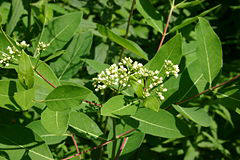
There are two major genera of hemp. The first is formally called Apocynum
Cannabinum. It is native to northern North America. It is also known as
Canadian Hemp, black Indian Hemp and Dogbane. It should not be confused with the
second major variety, Indian Hemp (Cannabis Indica). Both species have a
milky juice and tough fibrous bark which when manipulated and mashed into
fibrous strands yields a substitute for the hemp that is produced from the other
genus. When the milky juice is properly dried it exhibits the properties of
India rubber. The corolla of this plant secretes a sweet liquid, which attracts
flies and other insects to settle on them; the scales in the throat of the
corolla are very sensitive, and as soon as the insects settle on them, they bend
inwards and make them prisoners. None of these plants possess any great beauty;
the liquid can be more or less poisonous and acrid.
The North American genus, Apocynum Cannabinum, is a perennial herb.
Its stems and branches are upright, headed by erect many-flowered stems, with
leaves nearly sessile; it grows in gravelly or sandy soil, mostly near streams.
Apocynum Androsaemifolium, or Dogbane, has spreading forked branches,
leaves slender petiole cymes, loose and spreading, grows in dry thickets and
open woods, and is distinguished from Apocynum Cannabinum by the root,
thick-walled stone cells which are arranged in a broken circle, near the middle
of the bark, short fracture, with some pith occurring in pieces of the rhizome,
very slight odor, starchy taste, afterwards bitter and acrid. This particular
variety, Canadian Hemp, has about five different species that are related to it.
All have similar uses; companies in California make twine, bags, cordage,
fishing-nets, lines, and a coarse kind of linen.
There are five distinct species in this genus. They are:
- African Hemp or Bowstring (Sanseviera guineensis), a native of
tropical Africa. Sanseviera Roxburghiana is a native of India.
Sanseviera Angolensis is native to western tropical Africa. The leaves
contain much fiber for making ropes, the later producing the best quality of
braided fibrous materials. These can be utilized to make deep-sea sounding
and dredging lines.
- Kentucky Hemp (Urtica Canadensis and Cannabina) is native
to Canada and the United States of America. Their fibrous stalks are strong
and used for a variety of fabrics and braided material.
- Manilla Hemp (Musitextilis) is native to the Philippines and were
later cultivated in India and by other countries. Its fibers make a variety
of smooth to coarse fabrics, the finer of which are made into shawls and
dressing fabrics; the coarser fibers are used to construct ropes of many
kinds and uses. Many fine macramé art pieces and holders have been
constructed from this kind of hemp.
- Sunn Hemp (Crotalaria Juncea) is native to India. This plant
yields a very strong fiber and is used for ropes, canvas, for covers,
satchels and containers.
- Jubbulpore Hemp (Crotalaria tenuifolia) is closely related to
Sunn Hemp and is used in similar manner.
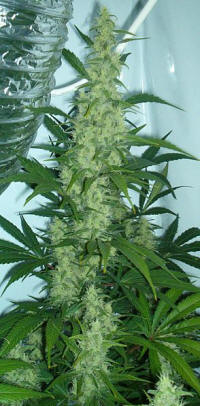 The second
variety of the hemp plant is known as Cannabis Sativa or
Indica. It was originally native to India; thus its name. Other names of
this form are Indian Hemp, Cannabis Chinese, Ganeb, Ganja, Kif, Hanf, Tekrouri,
Chanvre, marijuana (Mary Jane), pot, Bhang, grass, marihuana and weed. This form
of hemp has been used and imported to many countries throughout the world as a
good strong fibrous plant with uses. It is recorded in history as one of the
first plants cultivated for the production of textile fiber. About 10,000 years
ago, hemp production grew up in Asia and Europe and parts of Africa. One of the
oldest remnants of human industry has been the remains of a piece of hemp
fabric, which was produced in Çatal Hüyük in ancient Mesopotamia about 8,000
BCE. Throughout the known world and up until modern times this form of the hemp
plant has been one of the major components of each society that cultivated and
used plants for fiber and medicine. All European navies of the past were rigged
and sailed with hemp materials and rope. Much of our current day rope and cord
is made from the hemp plant. It seems that without the assistance of this plant
mankind's achievements would have not gotten off the ground.
The second
variety of the hemp plant is known as Cannabis Sativa or
Indica. It was originally native to India; thus its name. Other names of
this form are Indian Hemp, Cannabis Chinese, Ganeb, Ganja, Kif, Hanf, Tekrouri,
Chanvre, marijuana (Mary Jane), pot, Bhang, grass, marihuana and weed. This form
of hemp has been used and imported to many countries throughout the world as a
good strong fibrous plant with uses. It is recorded in history as one of the
first plants cultivated for the production of textile fiber. About 10,000 years
ago, hemp production grew up in Asia and Europe and parts of Africa. One of the
oldest remnants of human industry has been the remains of a piece of hemp
fabric, which was produced in Çatal Hüyük in ancient Mesopotamia about 8,000
BCE. Throughout the known world and up until modern times this form of the hemp
plant has been one of the major components of each society that cultivated and
used plants for fiber and medicine. All European navies of the past were rigged
and sailed with hemp materials and rope. Much of our current day rope and cord
is made from the hemp plant. It seems that without the assistance of this plant
mankind's achievements would have not gotten off the ground.
How to identify the Hemp Plant
Canadian Hemp
This plant is a perennial herb. Its stems and branches are
upright, headed by erect, many-flowered stems. The leaves are nearly sessile.
The corolla secrets a sweet liquid, which attracts flies and other insects which
settle on them; the scales in the throat of the corolla are very sensitive and
as soon as insects settle on them, they bend inwards and trap the insects. All
varieties of this plant are poisonous, if directly ingested. These plants are
acidic as well.
Indica Hemp
This plant is an annual; the erect stems grow from 3 to 10 feet or more high.
It is very slightly branched and has grayish green hairs. The leaves are
palmate, with five to seven leaflets. There are usually three on the upper
leaves and numerous leaflets on the long thin petioles with acute stipules at
the base. The stalks and leaves are linear lance like; the leaves, tapering at
both ends; its margins are sharply serrated. The leaves are smooth and dark on
the upper surface and light and downy on the under surface. The small flowers
are unisexual, the male having five almost separate, downy, pale yellowish
segments. The female has a single hairy glandular, five-veined leaf enclosing
the ovary in a sheath. The ovary is smooth and one-celled, with one hanging
ovule and two long, hairy, thread-like stigmas extending beyond the flower for
more than its own length. The fruit is small, smooth and light brownish-gray in
color. It is completely filled with seeds.
Where it Grows Best and How It Is Cultivated
Neither plant is difficult to grow or have spread. Cultivating these for
specific uses either for the highest yield of fiber or for the best quality of
medicine is another situation. Until the later half of the 20th Century both
plants grew wild throughout the world. Its primary use in cultivation was as
fiber, rope and paper.
Canadian Hemp
These grow best in gravelly or sandy soil mostly near streams or a fresh
water supply. It is cultivated primarily for its fibrous bark which yields a
plethora of items sold and exchanged around the world. It is used here in the
United States for making twine, bags, cordage, fishing-nets and lines and a
coarse kind of linen. When the juice is properly dried it resembles the
consistency of India rubber. This makes it a good component for sealers or all
kinds.
Indica Hemp
Indica grows best in warmer moist climates. The best soil is a moist peat. In
the United States of America and the United Kingdom it has been illegal to grow,
possess or sell hemp without a government permit since the 1930s, although it
was a common and useful crop in both countries for centuries prior to that. The
purest forms are grown under heating lamps called grow lamps and yield a higher
quality plant. This plant is cultivated in many parts of the world such as
China, India and Mexico for industrial purposes as well as for its medical
content. Canada has grown hemp as a viable crop for multiple uses in industries
since 1998. In 2003 a non-profit organization, Canadian Hemp Trade Alliance, was
organized to find better uses, promote and advance the hemp industry.
Medical History
Hemp was not commonly used as a drug or for medicines as were so many other
plants were until the 1800s. It was used to treat migraine head aches and
melancholia and as an anticonvulsant and as a sleeping aid for insomnia. About
the 1930s hemp (cannabis) was given a reputation as a debilitating and addictive
drug by the Hearst chain of newspapers, whose lurid tales of users gone berserk
sold thousands of newspapers but resulted in laws being enacted to ban its use
by the public. It was still maintained as a cheep source of fiber, rope and
paper. As a fabric it was ideal, easier to cultivate than wool, cotton and silk
and just as light. It breathed well under refined fabric conditions and could be
made at any coarseness or fiber count to create a thick cloth or something
comparable to a thin silk. It seems inevitable that other fabric industries did
not want the competition. Rope was what it remained being utilized for during
several decades of this last century.
What really seems to have put the lid on the hemp industry in this country
was the paper industry. The paper industries are very invested into trees, which
are slower growing and harder to cultivate. Hearst owned a number of forests the
pulp from which was used to make the cheap yellow paper on which he printed his
newspapers. (Our term "yellow journalism" comes from this.) It is probably no
coincidence that a "hemp gin" was invented which would make it less expensive to
make paper from hemp than from wood, shortly before Hearst began his campaign to
have hemp made illegal as a dangerous drug.
Nevertheless, hemp is not as narcotic as opium or other chemical derivatives,
which science has aptly supplied to us since. Hemp's medicinal properties were
not widely understood. In the Orient, it had been used medicinally for thousands
of years. No Western research has investigated hemp, the rope plant, for what
service it could provide in the medical field. The hemp plant was used for its
fibrous plant material and products of all kinds, which were commonly imported
and exported.
It seems that much medical research in the West concentrated on more potent
medicines that worked faster. Instead of growing medicinal herbs and treating
ills and disease with the plants themselves, modern science uses concentrated
extracts containing just the properties that were known to affect a change in a
condition. This is not necessarily a bad thing to do, and in many cases this
works well for some illnesses. The problems are the unknown side effects of such
strong and potent fighters against disease and discomfort. We now have created
an addicted society, which is a boon for industry of insuring the marketability
of any product. Headaches are treated with Ibuprofen, aspirin or other ever
stronger drugs. These act in many cases to block pain and some, even reduce
inflammation. Not without side effects of kidney damage or stomach disorders.
Natural herbs worked wonders on these conditions for centuries. You can't sell
people something they don't think they need. More advertising campaigns were
undertaken to equate natural doctors of medicine and naturopaths as quakes and
charlatans, to sway the public away from that course of cure to the more
"scientific" approach. Still science had really nothing to do with the
advertising and marketing of the western world.
Science, as it has done, has accomplished marvelous things in research and
development of new ways to actualize and access the resources available. It
could be used to market consumable products; an industry of world dominated
medication was created. This was not a problem of science. It was the marketing
of America and the world. The medical systems throughout the world operate
differently.
Some countries have socialized medicine, monitored by the governments for the
good of all the people. This is seen as un-American today. Yet it was not so
un-American in the 1930s, when many of our national projects, medical programs
and social reforms were born. These were socialized medical programs. In America
we sell health. We sell health plans, health insurance and health coverage. Not
everyone can afford it; not everyone can pay for the best. The best that can be
had is not available to many citizens of the United States of America. Supposed
government agencies claim to be protecting our best interest while not endorsing
many medical breakthroughs that are used in many other counties with much
success. Anything resembling a cure for something that the medical complex has
much money invested in is controlled and monitored and even prevented from
operating in this country. Viable healing techniques, medical procedures and
natural medicines that are used with much medical field acclaim, public
satisfaction and viable means to an end to discomfort and illness, are called
bogus and quackery and whole advertising campaigns are launched against cures in
the United States. Have you seen some of the ads on television today? They
purport to work wonders and afterwards spiel off such a list of side effects,
you wonder how that product could ever be marketed, if its side effects sound
worse then what it is suppose to be treating which in some cases include
possible death!
Much of the medical field in America does not cure disease. It is concerned
with effecting a noticeable change and preventing the symptoms from turning the
condition into a major life threat. They will close down groups or practitioners
who can adjudicate a cure through natural means and turn right around and
continue marketing and selling the same or similar product or procedure under a
different name a little bit less effective, lining the coffers of the industry.
Procedures that need research and investigation are squelched by the vested
interests of the medical industrial complex. Standardization of supplements and
herbal remedies is complained about by the drug conglomerate by the ads or
scientist they can buy. This is used to make sure that they are either taken off
the market or confused in the public domain so as to not be used. Needed
research into natural medicines has suffered from lack of funds and interest
over many decades. They are not marketed or funded as much as synthetic drugs
are by large drug companies.
This is what had become the fate of medicinal hemp until recently. Research
into the properties of the various plants were tested, much testing is still
being undertaken, except hemp addressed a viable area of concern for many that
had no alternative coming from other areas of the medical field. Medicinal hemp
had soothing and relaxing affects upon the nervous system of those with painful
and stressful prolonged illnesses such as AIDS and some nerve disorders. It
seems to have almost no negative side effects or lingering maladies that would
disable any portion of the physical body. It is not stored in tissues and does
not create a craving for more or addictive affect to have more of it. It seems
to have an effect upon the release of endorphins in the body allowing the person
to feel more at ease. The physical body is not debilitated by the use of medical
hemp that has been thus far determined by the medical profession to date. That
is a far cry from what was presented concerning this plant during the 1950s and
'60s! Some medical professionals still tout the earlier findings as true. They
never investigate on their own or test the findings they adhere to. In the 1970s
research was done to show the medical uses for hemp (cannabis). Recent studies
have even shown that persons taking medicinal hemp to become more focused and
less stressed. This is almost the antithesis of a narcotic affect, which
episodes contain high stress and impaired ability to focus. Most narcotics wreak
havoc upon the nervous system and in some cases, depending on the substance,
residual amounts can store in muscle tissue and can affect the brain function in
those addicted and those of their unborn children and yet to be conceived
children. Medicinal hemp seems to have none of these affects. It also can be an
appetite inducer and can help with those disorders relating to not wanting to
eat or fear of nausea or vomiting. Once again, as with any medicine, it should
be used as prescribed and for the conditions it is being used to treat. We must
remember that some kinds of stress are needed by our species to operate and
function properly; thus it is a balance between the two that we must strive
toward.
Canadian Hemp
The activity of the plants is due to a very bitter principle of a glucose
nature to which is applied the name of Symarin. Apocynum belongs to the
digitalis group of heart tonics, and acts very much in the same way, differing
only from foxglove in the relative degree of its different effects. It is the
most powerful of the group, often causing sickness and diarrhea if not used in
very individualized and specific potencies and quantities. It can irritate the
mucous membranes such as the nasal area or throat, more than either digitalis or
strophanthus (a genus of 35-40 species of flowering plants), and it may
be this stimulating effect which is the cause of its violent diuretic action,
though some authorities consider that this is caused by dilatation of the renal
arteries. Apocynum Docynum is the crystalline lactone cynotoxin, the
crystalline substance. Apocynin is identical with acetovanillone, an
organic compound that is related to Vanillin, which is the primary component of
the extract of the vanilla bean which is primarily used as a flavoring or
fragrance additive. Within ancient medicinal literature, vanilla was supposedly
to be used as an aphrodisiac or even a remedy for certain kinds of fevers. These
purported uses have never been scientifically proven. It has been shown that
vanilla increases levels of catecholamines. These include epinephrine, more
commonly known as adrenaline, and as such can also be considered mildly
addictive. In an in-vitro test vanilla was able to block quorum sensing in
bacteria. This is significant due to that many bacteria quorum sensing signals
how virulence occurs for the bacteria. The microbes will only become virulent
when there are enough of them to resist the host's immune system response. While
using the essential oils of vanilla and vanillin in aromatherapy are reported to
have the effect of being comforted and can be used in relation to stress and
nervous disorders.
Apocynum Androsaemifolium or Dogbane contains apocyanamarin, identical
with cynotoxin, also apocynin which can cause gastroenteritis although the
medical uses of which can be utilized as an anti-arthritic. Neutrophils are a
key component of the pathogenesis related to collagen induced arthritis. These
can lead to the start of inflammation of the joints. The action of apocynin
reduces the presence of many of these cells before the inflammation has begun
although it is unable to reverse this kind of inflammation once it has already
begun. Apocynin has been sited as potentially effective for bowel disease. In
the laboratory, rats treated with apocynin have been proven to have less damage
in the colon wells as the enzymatic activity of myeloperoxidase which is
associated with inflammation. In addition, apocynin also decreased the number of
macrophages and polymorphonuclear leukocytes in the colon. As an anti-asthmatic
the glucoside of apocynin, androsen, is being investigated for the treatment of
asthma. It has been shown to prevent bronchial obstruction in guinea pigs in
laboratory. It is believed that the anti-asthmatic quality of apocynin comes
from its interference with certain inflammatory processes. Another property of
apocynin is its treatment of Atherosclerosis. Here it is used to prevent the
activity of NADPH oxidase activity. This is seen to halt the production of
reactive oxidative species which deteriorate endothelial cells.
The glucoside present in Dogbane is called androsin ipuranil. This acts as an
anti-asthmatic component. There are two major phytosterols. These in general,
have a cholesterol-lowering property which acts to reduce the presence of
cholesterol in the intestines. The overall reduction of cholesterol and the need
for cholesterol modification in many people would be a healthier situation in
many cases. There are many products such as margarines, butters, breakfast
cereals and oils that are now enriched with phytosterols towards this very end.
The caution with these is not to have too much as perhaps a build up of plaques
on the arterial walls may still occur. There is no research that substantiates
either of these claims. The phytosterols present in this plant are androsterol
and homo-androsterol, and other fatty acids. In general this plant can be used
as an alternative cardiac stimulant under very controlled circumstances due to
the toxic effects of this pant. Doses will vary from 2 to 5 grains (.13 to.3
grams) as an emetic 15 to 30 grains (1 to 2 grams).
Indica Hemp
The main psychoactive chemical compound in Cannabis is tetrahydrocannabinol
(THC). The plant is known to contain about sixty cannabinoids; most of these are
minor cannabinoids as they are only produced in trace quantities. Besides THC,
another cannabinoid produced in high concentrations by some varieties of this
plant is cannabidiol (CBD), which is not psychoactive but has recently been
shown to block the effect of THC in the nervous system. Differences in the
chemical composition the varieties of Cannabis may produce different effects in
humans. Synthetic THC, called dronabinol, does not contain CBD, CBN, or other
cannabinoids, which is one reason why its pharmacological effects may differ
significantly from those of natural Cannabis preparations.
Medical Uses For Hemp
Canadian Hemp
This form of the hemp plant is a diuretic, diaphoretic, and expectorant.
Mostly the root is used in medical applications. It causes a flow of urine to
increase without irritating the kidneys. It should only be prescribed with the
greatest caution, as the value depends upon how recently the root was used for
preparation. It is a very valuable heart tonic of great service in dropsy
resulting from heart failure. Remedies should be in place to overcome any
inflammation that may occur. It is also to be highly recommended in the ascites
of hepatic cirrhosis, but care must be taken that it does not accumulate in the
system. It causes violent vomiting. The best dosage for this use would be 1 to 5
grains. The way to prepare this would be a fluid extract of apocynum, U.S.P., 10
to 15 minims. A tincture of apocynum, would consist of 5 to 10 minims.
As a heart tonic it increases the strength of the heart muscle and can
improve the tone of the artery walls. Although it may be similar to digitalis it
is not cumulative in the system.
Apocynum is useful in atonic conditions of the blood-vessels. Edema of
the cellular tissues is logically treated with this plant as well as effusions
into nerve sheaths and joint tissues. This indicates its utility in sciatica,
rheumatic neuralgia, and all localized effusions accompanied by asthenia. Dose (ec.
tr., 1/4 to 5 I , carefully increased, or @, 5 to 15 I, or fr, for short
periods, 20 to 30 I). This drug influences some persons much more readily than
others, and it is best to start off with small doses in every case. When a
person has the effects of purging, it is time to reduce the dose. The distilled
extract of fresh apocynum is very useful in doses of 1 or 2 teaspoonfuls.
Indica Hemp
Most of the time, when referred to as a medical plant, the Cannabis sativa
plant is used as a physician-recommended herbal therapy. To date, the medical
use of cannabis is legal only in a limited number of counties, including Canada,
Belgium, Australia, the Netherlands, the United Kingdom, Spain, and some states
of the U.S.A. This usage generally requires a prescription, and must be
distributed in accordance with local laws. Cannabis remains illegal throughout
the United States and is not approved for prescription as medicine, although 12
states--Alaska, California, Colorado, Hawaii, Maine, Montana, Nevada, New
Mexico, Oregon, Rhode Island, Vermont and Washington--approve and regulate its
medical use. The federal government continues to enforce its prohibition in
these states. However, there are also two states, Arizona and Maryland, whose
drug laws are favorable towards the medicinal use of cannabis, in the later case
making it a non-incarcerable offense with a maximum penalty of a $100 fine, but
which still explicitly ban it. The medical use of this plant continues to draw
criticism even today. This is good, for with every obstacle new ways to
eliminate these problems can be discussed and resolved.
Cannabis is most importantly indicated as an antiemetic for the treatment of
nausea and anorexia associated with treatments for cancer, AIDS, and hepatitis.
Cannabis also acts as an antispasmodic and anticonvulsant and is indicated for
neurological conditions such as epilepsy especially complex partial seizures,
multiple sclerosis, and spasms. As an analgesic and an immuno-modulator it is
indicated for conditions such as migraine, arthritis, spinal and skeletal
disorders. As a bronchodilator it is beneficial for asthma. It also reduces the
intraocular pressure and is indicated for glaucoma. Recent studies have shown
the drug to be efficacious in treating mood disorders and mental health issues
such as depression, post traumatic stress disorder, clinical depression,
obsessive-compulsive disorder, panic disorder, Crohn's Disease, and bipolar
disorder. It is also indicated for premenstrual syndrome, hypertension, and
insomnia. It is also reported to be an effective treatment for constipation. It
is indicated in over 250 conditions that it can effectively treat medically with
little or no known side effects.
Others Uses For Hemp
Besides the industrial uses of hemp and the medical uses of cannabis, there
may be many other new and improved ways to use hemp. The future of the use of
this plant may continue to find new and better ways of improving the quality of
our lives.